Lauren Samblanet ‘s Reinventing Creative Process + Five Books they wish we would read
I reached out to guest writer Lauren Samblanet to talk about Reinventing Creative Workshops which “focus on recreating and re-envisioning our creative processes so that they are more embodied, pleasurable and emotionally safe.”
“Mindfulness, meditation, and somatic/emotional healing modalities are incorporated into my workshops, along with generative practices, collective exploration, collaborative experiments, and after-session guided exercises.”
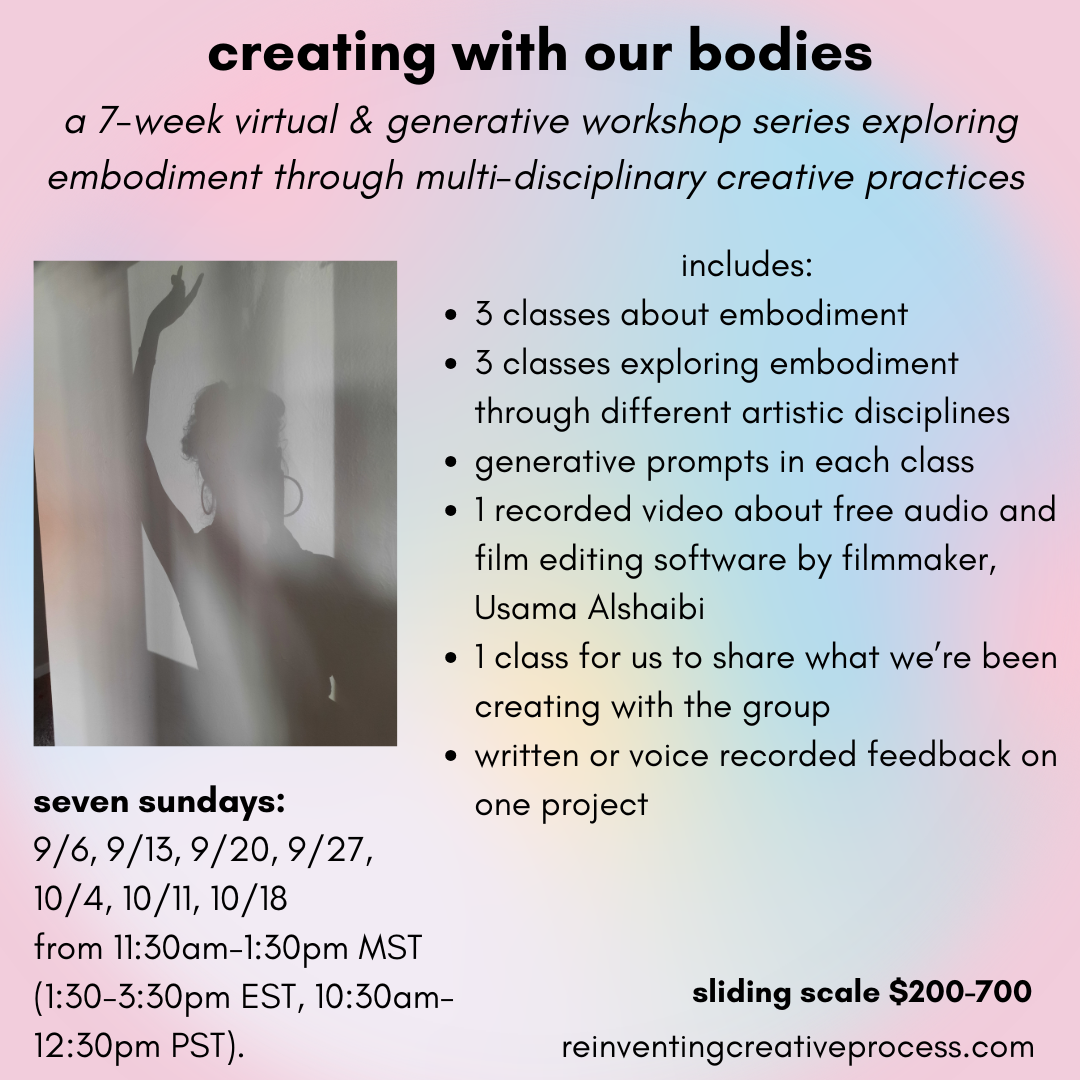
The next 7-week Reinventing Creative Process Workshop takes place between September 6th and October 18th, 2026. There is more info at the bottom of this article by Lauren Samblanet about workshop details and how to register.
About Lauren Samblanet:
Lauren Samblanet (they/she) is a hybrid writer who cross-pollinates with other forms of making and other makers of forms. While she studied poetry, they most often write essays and fiction that intermingle with poetics. She enjoys making interdisciplinary work utilizing performance, sound, video, visual art and writing. Lauren has collaborated with dancers and filmmakers. They are disabled, chronically ill, neurodivergent, gender-fluid, and queer. She received her MFA from Temple University, and currently resides in Colorado, the ancestral homelands of the Arapaho, Cheyenne, and Ute people. Punctum Books published their first book, like a dog, in 2024. Some of their publications include: Wordgathering, A Shadow Map: an Anthology by Survivors of Sexual Assault, Fence, Passages North, Just Femme and Dandy, Dreginald, Bedfellows, and the Tiny. Lauren is a teacher and guide, offering workshops, and creative guidance through their passion project, Reinventing Creative Process. She is a Mindfulness Mentor.
The workshops and 1-1 offerings through Reinventing Creative Process are not classes. I view myself as a guide, a mentor and a healer. My role is not to tell artists how to make their art. My role is to guide artists to their deepest inner-knowing, to their inner children, to their wisest self.
background info/why I started the workshop: When my first book, like a dog, came out in 2024, I dreamed up this workshop creating with our bodies. The workshop is an offering of so much of what I learned while writing that book from artists across disciplines and through therapy and meditation. One thing I was working through was how to be with embodied experiences I was having that I was often shamed about, without trying to force those experiences to shift or disappear. For example, our culture tends to talk about dissociation like it's only a bad experience and something we should work to avoid. Yet, dissociation is a natural coping mechanism for the nervous system when it's overwhelmed, triggered or unsafe. It can save us at times. As a person living with chronic illness and PTSD, I've come to relate to embodiment in a vast way. Being in body includes so many experiences. When I can practice accepting or simply being there with those experiences, I find my creativity opens up. If I notice my bodymind and what they are really going through, I can hear my bodymind's requests for shifts in how I create my art. If I honor those requests, I feel safer. This feeling of safety excites my creativity.
I wanted to create a workshop that highlighted pathways to being with a wide array of embodied experiences, offering those experiences our compassion and curiosity, rather than shame or force. creating with our bodies begins with those pathways, while also sharing pathways away from embodiment if it's too much to tap into in that moment, recognizing that sometimes we need separation from this type of somatic practice. From there, we explore embodied art across disciplines to see how different artistic forms can open space for our embodied experiences to be expressed and created with, alongside. How can our bodyminds be treated like collaborators rather than like workers? How can we shift our artmaking practice to honor the specific needs of our bodyminds in each specific moment? How can that honoring become the art itself? This is my third time offering this workshop and I often receive feedback that the workshop opens a sense sacredness. For example, one participant wrote, “There was such a gentleness and reverence in every aspect and interaction. It was sacred, and it taught me how I can make my life sacred, too.” This is the heart of the workshop because in our lives, we live in these bodies and our bodies don't get treated as sacred by the colonialist, capitalist system we live within. But our bodies are sacred, as is our art. If we can really acknowledge this reality and learn to make art alongside our bodies, we honor that sacredness, and I feel like that's so needed right now.
more about Reinventing Creative Process: Reinventing Creative Process bloomed through my desire to name the ways that creative practice can be triggering, overwhelming, and otherwise difficult, some of which are directly linked to capitalism, colonialism and ableism. I felt somewhat alone in my relationship to creating art in the moment I started the workshops. I was struggling to find pleasure, safety and embodiment in my practice. I kept trying to force myself to make art, to keep accomplishing things, to move at the speed of capital. Instead, I wanted to create spaces for folks to gather together to unlearn harmful ideas about the creative process and to dream up ways of making art that are more supportive for us. I notice a lot of what comes up for myself and others is that we're taught to ignore our access needs and internal sense of consent and we begin forcing ourselves to create, getting lost in the lies that capitalism tells us about what being a successful artist looks like.
The workshops and 1-1 offerings through Reinventing Creative Process are not classes. I view myself as a guide, a mentor and a healer. My role is not to tell artists how to make their art. My role is to guide artists to their deepest inner-knowing, to their inner children, to their wisest self. What does their specific bodymind need to make art in ways that are free, embodied and safe? I walk their path alongside them, listening to their inner-knowing and collaborating with them to dream up habits and rituals that support their journey, their healing and their art. In the workshops specifically, we are also gifted the opportunity to co-create a community together. One of the most healing things is navigating this kind of unlearning, inner-listening, and recreating of our creative practices with others. We learn that we aren't as alone as we think. We are held by others and have the opportunity to hold others. We weave our wisdom together for the benefit of all in the group.
Who this course is specifically for?
This workshop was designed for folks who want to explore redefining embodiment for themselves in a way that includes experiences like dissociation, over-stimulation, hyper-fixation, fight/flight/freeze response, stimming, compulsions, pain and flare. I hope the workshop is supportive for folks who are often asked to ignore, change or stop certain embodied experiences. There are a lot of ways that our systems and culture ask us to suppress our bodymind's natural impulses which is rooted in ableism. I want the workshop to be a space for reclamation, where we can let our bodyminds be as they are and dictate how we make our art in response.
I would describe my workshops as therapy-adjacent. I am not a therapist so the workshop is not the same as therapy. Yet, I utilize ideas and practices from parts-work and IFS (Internal Family Systems), as well as meditation, breathwork, and somatic practices. This workshop requires folks to go inward, noticing what's arising in their bodyminds and meeting what's there with compassion and curiosity. The kind of noticing we practice requires that folks are interested in going deeper into their bodymind's experiences. This workshop is a fit for folks who have that interest.
Finally, this workshop is also a good fit for artists who are curious and open to experiencing art across disciplines, venturing into making work in disciplines they may have never worked in before in new ways that support their access needs and embodied requests.
Ready for your first workshop with Lauren? Check out this 7-Week Virtual & Generative Workshop series set for this Fall, September 6-October 18. Click the flyer below for more information and to register:
About like a dog
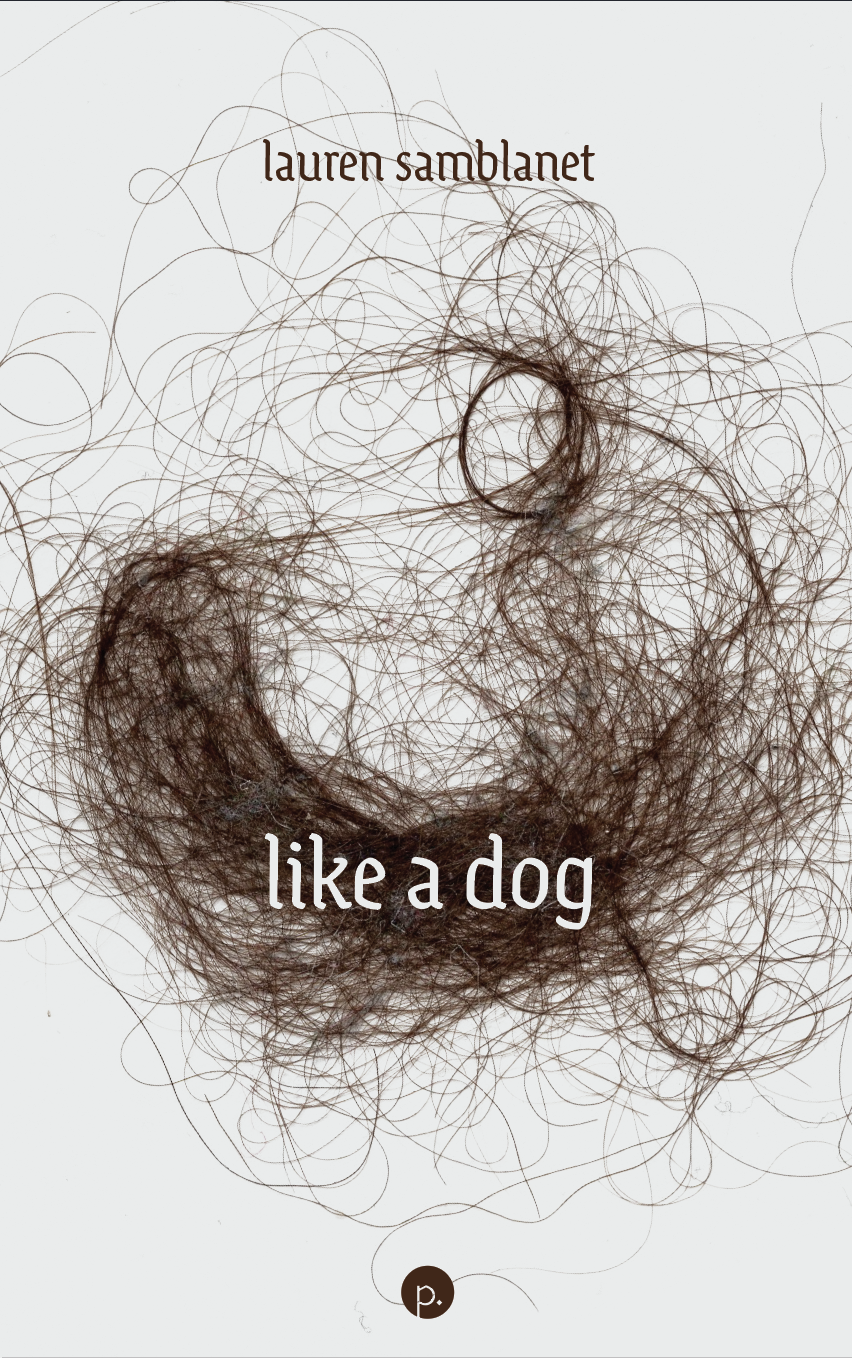
from Punctum Books:
Taking its cues from the New Narrative writing movement, like a dog considers how sexual identity is morphed, hidden, and denied by cultural forces like film, pornography, rape culture, and sexual semiotics. The speaker of like a dog writes about her sexuality, sexual trauma, and relationships in the epistolary form to explore how the personal becomes collective and how overt sexuality is necessary for questioning dominant ideologies. The intimacy (or perhaps voyeurism) that is opened through the epistolary form is balanced with commentary on the films of Lars von Trier, primarily Nymphomaniac, as a way to move away from the speaker’s experiences and into the larger social forces that seek to define us.
Amidst these letters are images from a handwritten journal where blood, hair, vaginal fluids, and other bodily residues are used to direct the shape and content of the writing surrounding them. The tactility of the journal delivers the reader to the body, not as an intellectualized object, but as the physical, messy, oozing force that it is.
Neither fiction nor nonfiction, and inhabiting a realm between gossip and scholarly film analysis, like a dog exists in a liminal zone that offers the speaker a site to rip away the layers of cultural conditioning surrounding sexuality and relationships, and to peek at what lies beneath. This interrogation of identity may not lead to answers but the speaker of like a dog is able to finally hear her own voice and to begin the work of rebuilding an identity that blooms from within.
What are five books you wish people would read and why?
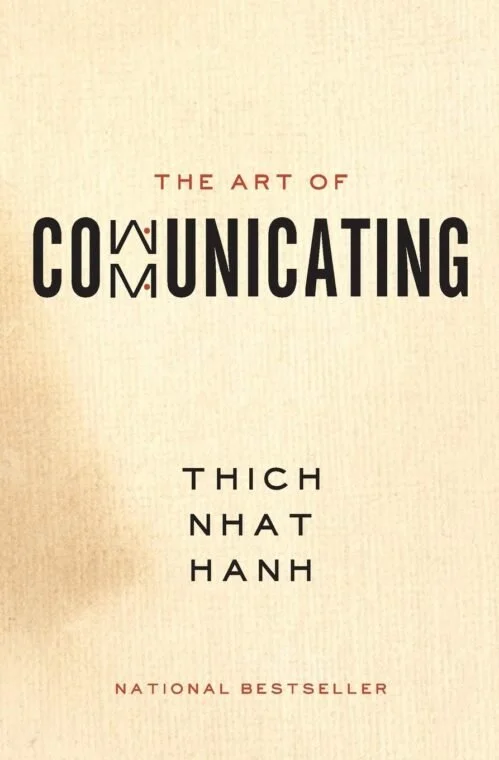
In this particular moment, The Art of Communicating by Thich Nhat Hanh, which starts with him calling us out on cell phone use in the middle of conversations. Thich Nhat Hanh teaches us about how mindfulness and right speech can support us as we navigate conflict with family, partners, and community, offering us practical tips to aid our compassion and build our skill at communication. This is a gift we all need. Our world is in crisis. It's time for us to accept that discomfort is part of life and that the discomfort of working through conflict is worthy of our time. This book is supportive for those who want to learn these skills.
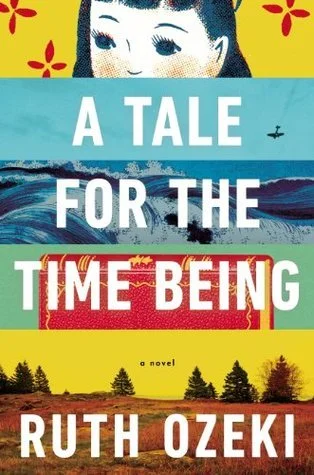
I'm always thinking about Ruth Ozeki's novel A Tale for the Time Being. It's a profound interwoven story, linking humans across countries, oceans, dimensions. It's exploration of grief and connection moved me deeply. I read it in the aftermath of losing a loved one, and it was like going into the mud, into the wound, to be with that grief through being with the grief of the characters in the novel. I came out the other side feeling held, feeling hope, feeling the surreal interconnection of beings that extends through time and dimensions. It really changed me and I want others to experience it.
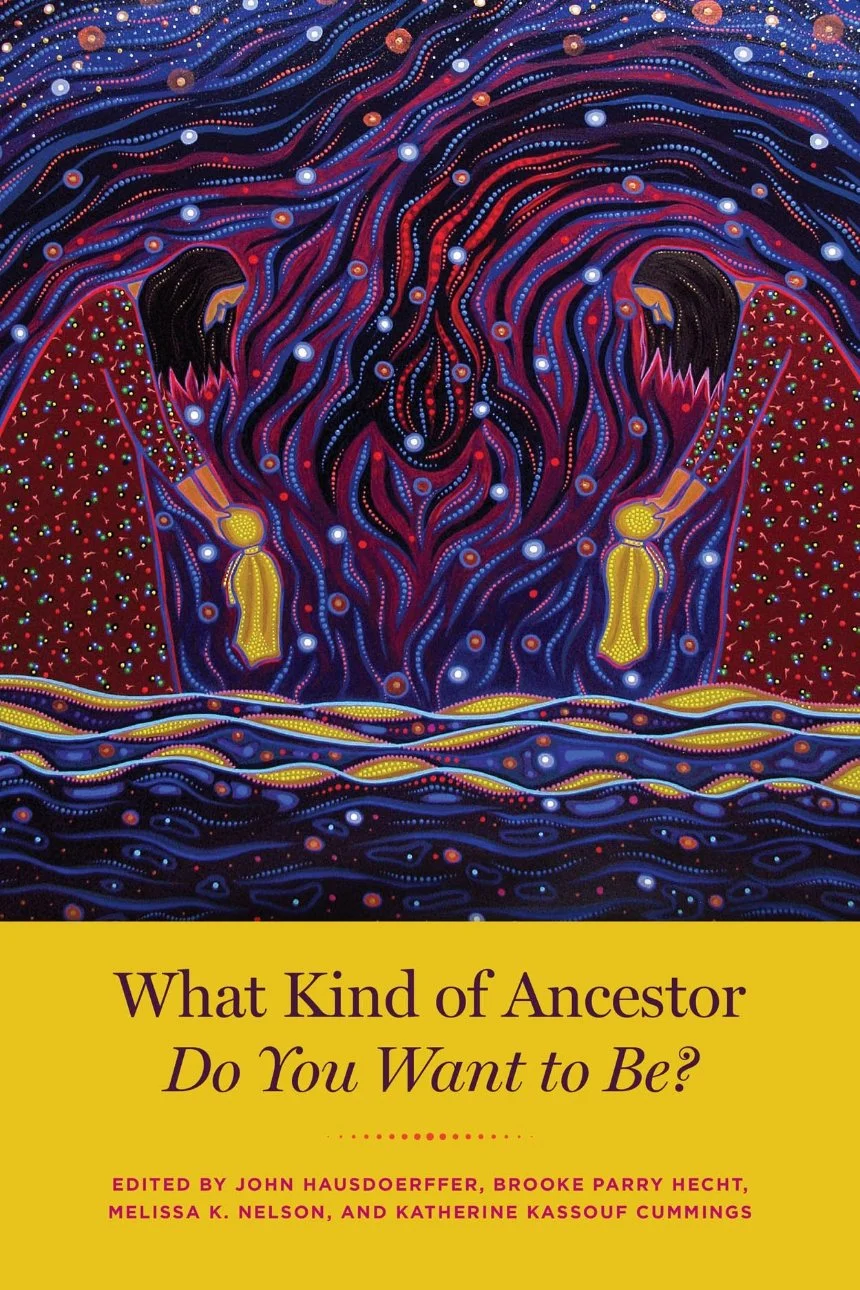
I'm still reading this one, but I'd recommend the anthology What Kind of Ancestor Do You Want to Be? edited by John Hausdoerffer, Brooke Parry Hecht, Melissa K. Nelson, and Katherine Kassouf Cummings. I started reading this as research for the novel I'm writing which is at the intersections of grief-work, parts-work, climate collapse, and queer, disabled and Palestinian justice. This novel connects me to the history of humans, particularly for those of us living in the so-called United States on stolen land. It connects me to my family's history, to my chosen family's history, and to the potential of ancestral healing and grief-work. It connects me to my love of this earth, of animals and plants, of water and rocks and mountains. It reminds me that I have a choice in each moment about what kind of ancestor I want to be and that each action I take can benefit those who come after me. It also reminds me that I can chose to walk the same paths as my ancestors, honoring the ways they lived that were not harmful, and that I can choose new paths, turning away from the harms they chose. We are more powerful than we think and this anthology helps me hold onto that.
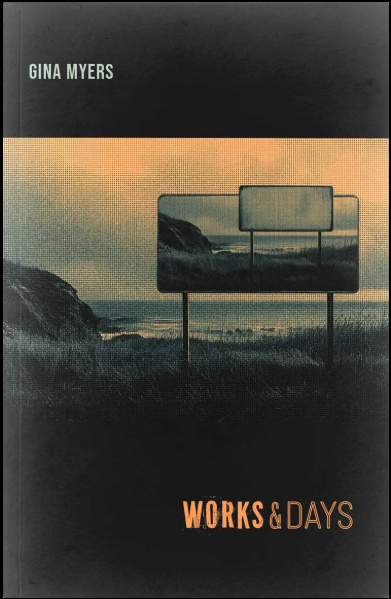
Works & Days by Gina Myers. I recommend reading it on a quiet moment while clocked into work as an act of resistance. Gina writes about labor and capitalism in ways that link personal experience to the collective, illustrating the pain of losing our time to work. She writes about the impacts of capitalism on our lives, our art, our communities, tying in cultural references, history, and current news. I read it in one sitting and felt grief, solidarity, and kinship from it. It made me want to treat myself, my bodymind, and those I love like full-beings, and to unlearn the ways we're taught to view others as workers and laborers.
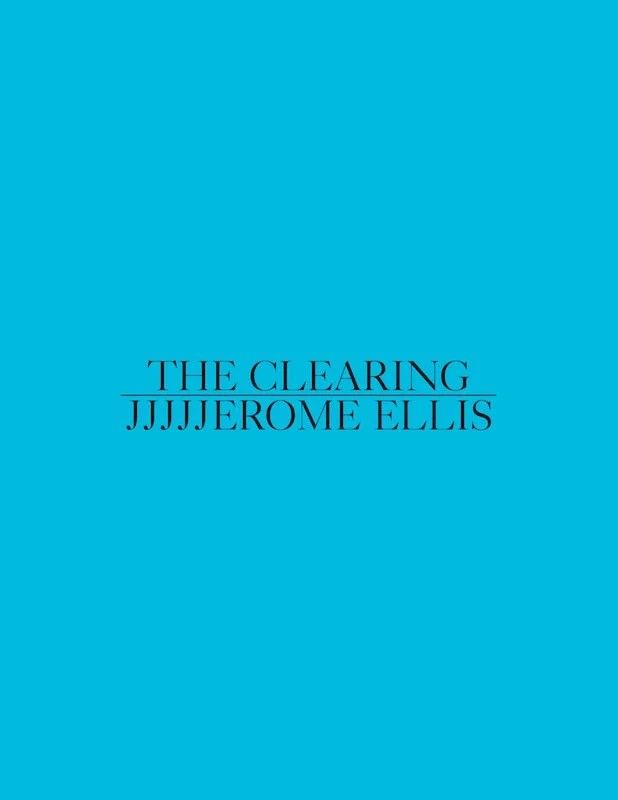
In relation to the workshop, I recommend The Clearing by Jerome Ellis. This book is at the intersection of disability and race, working through disciplines (poetry, essay, visual art/poetry, with an accompanying album!), tracing embodiment through lineage and history into the present. Ellis writes into his experience with his glottal block stutter to consider how language and music can create space (a clearing) for Black and disabled folks to refuse of the erasure of stuttering and dysfluency. I focus on The Clearing in the workshop because this project is the embodiment of what the workshop is about - allowing the experiences of our bodyminds to come into our art, shifting both the form and the content, while also extending personal lived experience into collective experience through history.
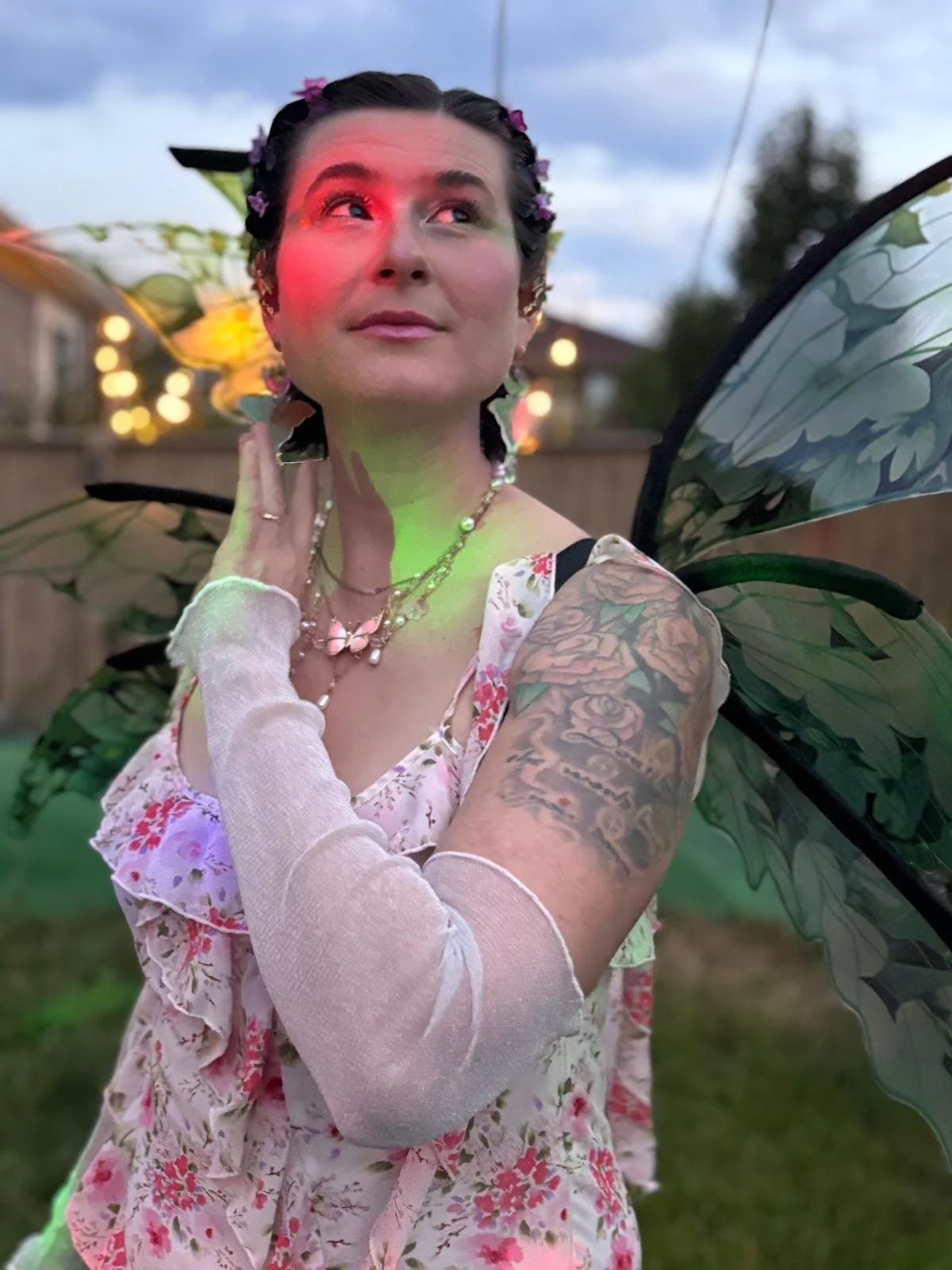
Photo Credit: Fairy Photo Shoot with Lauren Samblanet by Filmmaker-Artist and Djinn Engineer Usama Alshaibi أبو منيرة
Write with us!
Have an article idea?
We are excited about poetry book and project announcements, events, people making poetry alone and together, and much more. Help us shape this as a publication and resource for our shared communities.
Reach out and pitch us in the form below!